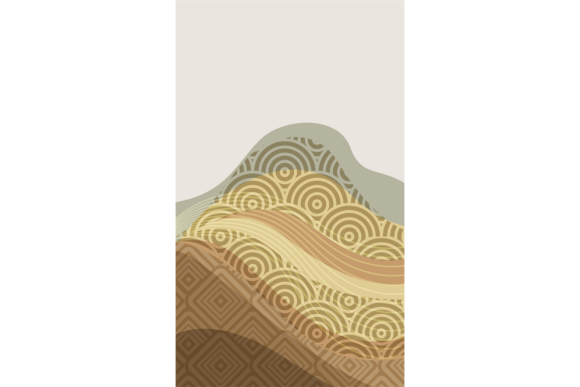
Decorative Pattern Landscape. Asian Art Graphics
As a brand designer, I often look for graphic design assets that can elevate a small business’s visual identity without overwhelming it. Decorative Pattern Landscape. Asian Art is one such illustration that offers both aesthetic appeal and functional versatility. From the moment I saw it, I was struck by its intricate details and the sense of cultural richness it brings to any project.
Mood and Brand Personality
Decorative Pattern Landscape. Asian Art exudes a calm, elegant vibe. The soft lines and traditional motifs suggest a brand that values craftsmanship, authenticity, and timeless beauty. It feels like a perfect fit for a handmade business, a boutique store, or a local coffee shop looking to create a welcoming, artistic atmosphere. This design asset could easily become the signature element of a brand that wants to convey warmth, tradition, and a touch of sophistication.
The style is neither too bold nor too subtle. It strikes a balance between decorative and professional, making it suitable for businesses aiming to blend modern design with cultural flair. Whether used in product packaging or social media graphics, it adds a layer of visual interest that can help a local business stand out from the crowd.
Real-World Applications
One of the most valuable aspects of Decorative Pattern Landscape. Asian Art is its adaptability. I’ve used similar illustrations in logo design, where they served as a subtle background or a focal point. For a skincare brand, I imagined using it as a border on product labels, adding a refined touch that complements the product’s natural ingredients.
In packaging design, this illustration could be used as an accent on the back of a product box or as a repeating pattern on a hang tag. It also works well in printable design elements like thank-you cards, stickers, or promotional flyers. For a bakery or a candle brand, it could serve as a background for menu graphics or seasonal campaign visuals, reinforcing the brand’s aesthetic while maintaining clarity and readability.
When it comes to digital use, Decorative Pattern Landscape. Asian Art is ideal for social media graphics, website banners, and marketing visuals. Its vector format allows for easy scaling, ensuring it looks sharp whether it's on a business card or a large poster. As a Canva template, it could be a go-to resource for small business owners who want to create professional-looking content quickly.
Supporting Business Presentation
Using Decorative Pattern Landscape. Asian Art can significantly enhance a business’s first impression. A well-designed product label or packaging can make a customer pause and take notice. This illustration helps create a stronger visual hierarchy, guiding the eye toward key information while still offering a decorative element that reinforces brand personality.
It also contributes to a more consistent brand identity. When used across multiple touchpoints—such as packaging, social media, and promotional materials—it creates a cohesive look that builds trust with customers. For a handmade soap business or a home decor shop, this consistency can make all the difference in how a brand is perceived.
Additionally, the design supports emotional connection. A beautifully crafted package or a visually appealing social media post can evoke positive feelings that encourage repeat purchases and word-of-mouth referrals. In a competitive market, these small but meaningful details can set a local business apart.
Where It Works Best
Decorative Pattern Landscape. Asian Art shines when used as a hero graphic on a website banner or as a decorative element in a product mockup. It’s especially effective in seasonal campaigns, where its traditional motifs can align with themes like festivals, holidays, or cultural celebrations.
For a florist or a children’s product brand, it could be used as a background for printable inserts or as part of a sticker collection. In a boutique setting, it can add visual depth to displays or signage, helping to create an immersive shopping experience.
It also works well in editorial design, such as in a magazine layout or a blog post about local businesses. Its versatility makes it a valuable addition to any creative marketplace, especially for those looking to integrate cultural elements into their branding.
Where to Use It Carefully
While Decorative Pattern Landscape. Asian Art is highly adaptable, there are situations where it may not be the best choice. In formal corporate branding, where simplicity and clarity are key, this illustration might feel too ornate. Similarly, it should be avoided on very small labels or crowded layouts where it could compete with essential text or legal information.
On low-contrast backgrounds, the design may lose its impact, making it less visible. For luxury minimalist brands, where clean lines and negative space are emphasized, this illustration might not align with the desired aesthetic. It’s important to test it in different contexts before finalizing its use.
Designer Notes
As a brand designer, I always recommend testing a graphic design asset on real packaging mockups. Decorative Pattern Landscape. Asian Art is no exception. I’d advise checking how it looks in black and white, as well as in various brand colors. It’s also crucial to preview it on small labels to ensure it remains legible and doesn’t get lost in the design.
When working with clients, I often compare similar design assets against competitor packaging to ensure uniqueness and relevance. For this illustration, I’d recommend reviewing PNG transparency and inspecting SVG or vector editability to ensure flexibility in future edits.
Finally, always confirm commercial licensing before using any design asset for client work or physical product sales. Decorative Pattern Landscape. Asian Art seems to offer a solid foundation for small business branding, but understanding the terms of use is essential to avoid any legal issues down the line.