Decorative Plants Graphics for Local Branding
As a brand designer, I often look for graphic design assets that can elevate a small business’s visual identity without overwhelming it. Decorative Plants is one such illustration set that offers versatility and charm for local business branding, product packaging, and promotional material use. The collection includes six formats—AI, EPS, SVG, JPG, PNG, and DXF—all at 1920 px X 1280 px, making them suitable for a wide range of applications.
The First Impression: Aesthetic and Mood
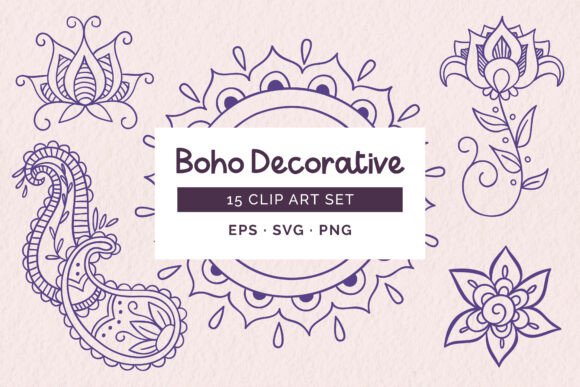
Upon first glance, Decorative Plants exudes a warm, organic feel that suggests a friendly, handmade, or natural brand personality. The illustrations are soft yet detailed, with a decorative touch that feels both modern and timeless. This makes them ideal for businesses like a boutique flower shop, a handmade soap company, or a cozy coffee café looking to create a welcoming and approachable image.
The mood is gentle and inviting, perfect for brands that want to convey authenticity and care. Whether used in logo design or as background elements, the illustrations add a sense of elegance without being overly formal. They work well for seasonal campaigns, holiday promotions, or any project that benefits from a touch of nature-inspired flair.
Real-World Applications for Small Business Branding
Decorative Plants can be a powerful tool in several areas of small business branding. For example, a local bakery might use these illustrations to create eye-catching product labels, menu graphics, or social media content. A skincare brand could incorporate them into packaging design, thank-you cards, or printable inserts to reinforce their natural and artisanal identity.
In packaging design, the illustrations can serve as accents on boxes, bags, or wraps. They help create a stronger first impression and improve product recognition. When used alongside brand colors and typography, they contribute to a more consistent brand identity and a more professional appearance.
For a handmade soap business, Decorative Plants could be used in product mockups, promotional banners, or even as part of a Canva template for social media graphics. Their high-resolution format ensures clarity whether printed on large posters or displayed on small phone cases.
Supporting Business Presentation and Customer Trust
Using Decorative Plants in marketing visuals can significantly enhance a business’s presentation. A well-designed package or promotional ad with these illustrations can build customer trust by signaling professionalism and attention to detail. The visual hierarchy becomes clearer when decorative elements are used strategically, allowing key information to stand out while maintaining an aesthetically pleasing layout.
These illustrations also help create a stronger emotional connection with customers. A floral pattern on a product label or a soft leaf motif on a business card can make a brand feel more personal and memorable. This is especially important for small businesses aiming to differentiate themselves in a competitive market.
Where Decorative Plants Excels
Decorative Plants shines in applications where a decorative touch enhances the overall design. Product labels benefit from the added visual interest, and packaging accents can make a product more appealing on the shelf. Hero graphics for websites or social media campaigns gain a unique visual style that stands out from generic templates.
They also work well for seasonal packaging, such as holiday gift boxes or limited-edition products. As part of a boutique visual strategy, these illustrations can help create a cohesive brand story across all touchpoints. In social media campaign graphics, they add a layer of creativity that engages audiences and reinforces brand identity.
When to Use Decorative Plants Carefully
While Decorative Plants is versatile, it’s not suited for every design scenario. In formal corporate branding, the illustrations may feel too playful or casual. For very small labels, the level of detail might be lost, making the design less effective.
In crowded product packaging or layouts with a lot of text, the decorative elements could compete with important information. They should also be avoided in areas where legal or ingredient details need to be clearly visible. Low-contrast backgrounds may cause the illustrations to blend in rather than stand out.
For luxury minimalist brands, the decorative style might not align with the desired aesthetic. It’s important to ensure that the illustrations complement, rather than overshadow, the core message of the design.
Practical Designer Notes
Before finalizing any design, test Decorative Plants on real packaging mockups to see how it translates in print. Check how it looks in black and white to ensure it remains effective without color. Preview it on small labels to confirm readability and clarity.
Review how it interacts with different brand colors and fonts. Test it beside serif, sans serif, script, handwritten, and display fonts to find the best pairing. Ensure the commercial license covers all intended uses, especially if working on client projects or physical product sales.
Inspect the PNG transparency and SVG editability to ensure flexibility in future design changes. Compare it with competitor packaging to maintain a unique visual identity. These steps will help ensure that Decorative Plants enhances, rather than complicates, the design process.
Conclusion: A Valuable Addition to Any Brand Designer’s Toolkit
Decorative Plants is a valuable graphic design asset for small business branding, product packaging, and promotional materials. Its versatility, quality, and aesthetic appeal make it a great choice for local businesses looking to elevate their visual presence. Whether used in logo design, social media graphics, or packaging accents, it adds a touch of creativity and professionalism that resonates with customers.