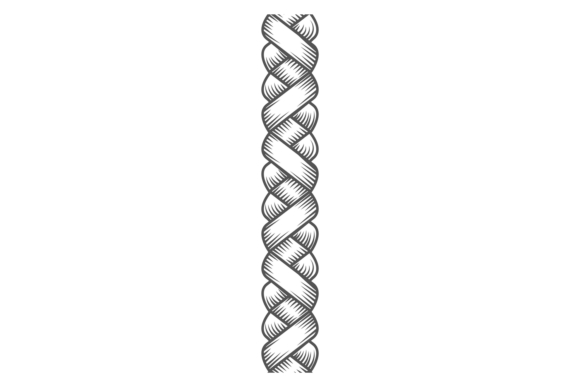
Plait Pattern. Engraved Decorative Knitt
As a designer and embroidery product reviewer, I’ve seen my fair share of digital files that look great on screen but fall apart in real-world use. Plait Pattern. Engraved Decorative Knitt is one that stands out for its clean, structured design and potential to elevate a variety of projects. But like any machine embroidery design, it requires thoughtful application to ensure it delivers on its promise.
The First Impression: A Structured, Elegant Design
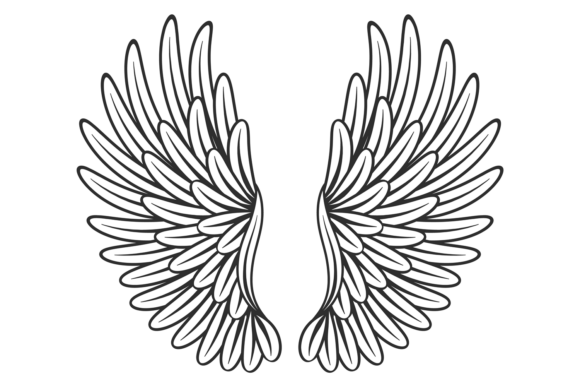
From the moment I opened the Plait Pattern. Engraved Decorative Knitt file, I was struck by its simplicity and precision. The engraved decorative knitted line structure is isolated on a white background, making it easy to visualize how it would translate onto fabric. The design feels modern yet timeless, with a subtle texture that suggests craftsmanship without being overwhelming.
The layout is balanced, with clear lines and an intentional flow that makes it suitable for both minimalist and more intricate applications. It has a visual personality that leans toward sophistication, which immediately makes me think of custom apparel, baby items, or even small shop merchandise where quality matters.
Real-World Embroidery Use Cases
One of the first scenarios I considered was using this design on a custom embroidered tote bag. The plait pattern’s linear structure would add a refined touch without overpowering the fabric. It would work well as a central motif, especially if paired with a solid color or subtle gradient background.
For sweatshirts and t-shirts, the design could serve as a subtle accent—perhaps on the sleeve or back panel. Its clean lines make it ideal for a professional look, and the lack of dense stitching means it won’t feel stiff on lightweight fabrics. However, I’d be cautious about using it on thin or stretchy materials, as the design’s detail might not hold up under stress.
In the realm of baby items, such as onesies or blankets, the design could be a beautiful, non-intrusive addition. The white background of the file makes it easy to adjust for different fabric colors, and the simplicity of the pattern ensures it remains visually appealing without being too busy.
Where to Be Cautious
While Plait Pattern. Engraved Decorative Knitt is versatile, there are situations where it may not perform as well. For instance, on small hoop sizes, the design might require multiple hooping, which can be time-consuming and increase the risk of misalignment. If you’re working on a patch or a small item, this could become a challenge.
Textured fabrics, like corduroy or fleece, might dull the sharpness of the design. Similarly, dark fabrics could reduce the contrast between the stitch and the background, making the design less visible. If you’re planning to use this on a layered garment or something with curved surfaces, like a cap, you’ll need to test it thoroughly before committing.
Another consideration is the design’s suitability for frequent washing. While the file itself doesn’t specify stitch density, I’d recommend checking the stitch count and ensuring proper stabilizer use to prevent puckering or distortion over time.
Impact on Visual Appeal and Customer Perception
When it comes to visual appeal, Plait Pattern. Engraved Decorative Knitt has a quiet confidence. It doesn’t scream for attention, but it commands respect through its clarity and structure. This makes it ideal for handmade products that aim to stand out without being flashy.
For small business owners and Etsy sellers, this design could be a valuable asset. It adds a sense of professionalism to custom apparel and personalized gifts, helping to build customer trust. When used effectively, it can enhance the perceived value of a finished product, whether it’s a tote bag, a pillow cover, or a holiday gift.
It also plays well in brand consistency. If your business focuses on clean, modern aesthetics, this design could fit seamlessly into your product lineup. It’s versatile enough to work with both bold and neutral color palettes, giving you flexibility in your offerings.
Practical Designer Notes
Before jumping into a project, I always recommend testing the design on scrap fabric. This helps you understand how the stitch density and thread colors interact with different materials. For Plait Pattern. Engraved Decorative Knitt, I’d suggest using a lighter thread color on dark fabrics to maintain visibility.
Check the hoop size required for the design. If it’s large, make sure your machine can handle it. Also, pay attention to the stabilizer—using the right type can prevent puckering and ensure a smooth finish.
If you’re planning to sell finished items or digital products, confirm the licensing terms. Even though the product description mentions EPS, JPG, SVG, and transparent PNG formats, it doesn’t specify whether it’s for personal or commercial use. Always double-check those details before proceeding.
Finally, consider how the design will look in black and white mockups. This is essential for printable mockups and digital product previews, where color variations might not be as clear.
Conclusion: A Thoughtful Addition to Your Design Toolkit
Plait Pattern. Engraved Decorative Knitt is a design that rewards careful consideration. It’s not a one-size-fits-all solution, but when applied correctly, it can elevate a wide range of embroidery projects. Whether you’re creating custom apparel, baby items, or boutique merchandise, this design offers a refined aesthetic that aligns with the values of many craft businesses and creative entrepreneurs.
As with any machine embroidery design, success depends on understanding its strengths and limitations. With the right approach, Plait Pattern. Engraved Decorative Knitt can become a trusted part of your workflow, helping you deliver high-quality, visually appealing results to your clients and customers.